
Gaz detection
Anticipating risk to protect lives and infrastructure
Invisible and often odorless, gas can pose a major hazard.
Leaks, accumulations, or abnormal concentrations may lead to explosions, fires, or severe poisoning.
Gas detection is therefore a key element of prevention, enabling early identification of anomalies and swift action before an incident occurs.
Why it’s essential
- Prevent explosion risks in areas with explosive atmospheres (ATEX)
- Avoid poisoning or asphyxiation from toxic or inert gases
- Trigger automatic safety measures (ventilation, gas supply shutdown, etc.)
- Protect people, buildings, and the environment
Essential in industrial, commercial, residential, or public environments handling combustible, toxic, or asphyxiating gases, gas detection is a key part of regulatory safety systems.
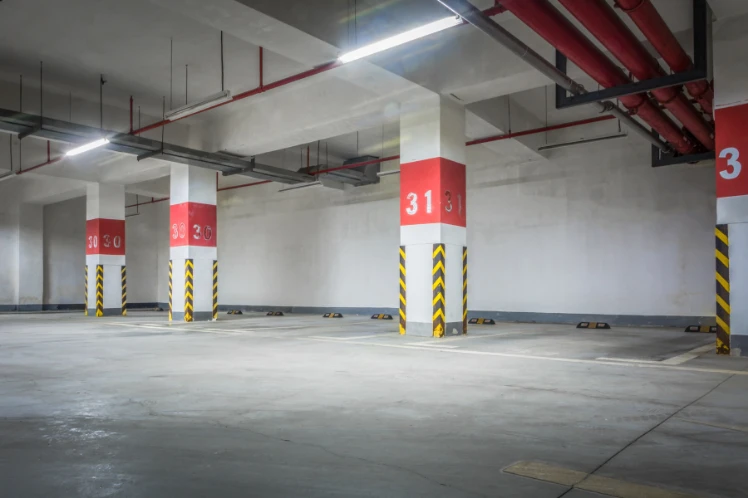
Where gas detection is mandatory
- Boiler rooms > 70 kW
- Covered car parks (CO and NO₂ detection)
- Rooms using industrial or laboratory gases
- ATEX zones (explosive atmospheres)
- Chemical, oil, and food-processing industries
- Commercial and industrial kitchens
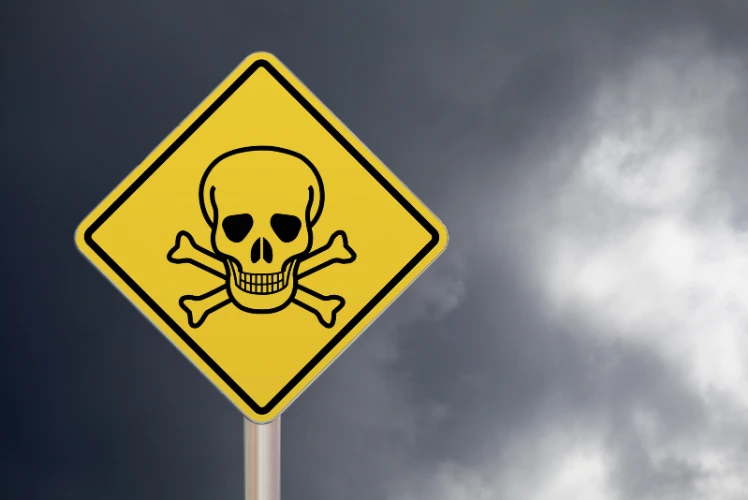
Types of gases monitored
Flammable gases: methane (CH₄), propane (C₃H₈), butane, hydrogen…
Toxic gases: carbon monoxide (CO), nitrogen dioxide (NO₂), ammonia (NH₃), hydrogen sulfide (H₂S)…
Asphyxiant gases: carbon dioxide (CO₂), nitrogen (N₂), helium…
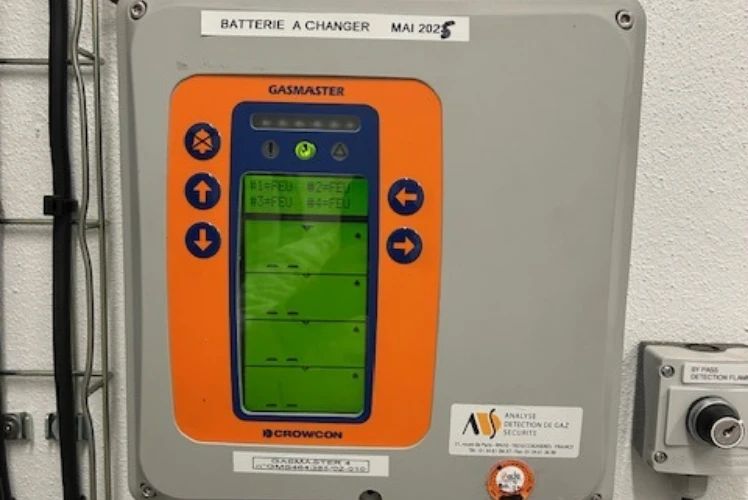
How a gas detection system works
A complete system includes:
- Sensors suited to the gas being monitored (electrochemical, catalytic, infrared technology…)
- Predefined alert thresholds (e.g., 10%, 20%, or 50% of the Lower Explosive Limit – LEL)
- Audible and visual alarms to provide immediate warning
- Possible automatic actions: gas supply shutdown, activation of ventilation, containment measures…
- Detection control panel to record, supervise, and manage alerts
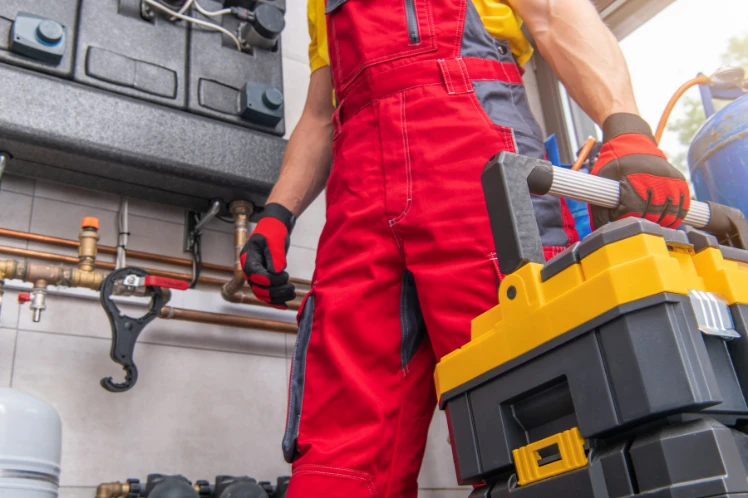
A strict regulatory framework
In France, gas detection is governed by numerous regulations and standards:
- NF EN 60079: explosive atmospheres (ATEX)
- NF EN 45544 / 50194 / 50291: detection of toxic or flammable gases
- Decree of June 23, 1978: heating installations and boiler rooms > 70 kW
- Labour Code: chemical risk prevention
- Decree of August 3, 2018: gas installations in buildings
Our commitment
At ESTYA, we design, install, and maintain gas detection systems tailored to each environment, with one goal: to protect lives, prevent incidents, and ensure full regulatory compliance.