
Fire safety equipment
Fighting fire to protect lives and buildings
In the event of a fire, every second counts. Fire safety equipment includes all devices and systems that enable:
- Detection of a fire outbreak
- Raising the alarm
- Rapid intervention to limit fire spread
- Protection of people and reduction of property damage
Essential in all environments — businesses, public-access buildings (ERP), residential buildings, industrial sites — these systems are a key link in fire safety.
Les catégories de moyens de secours
Fire alert systems
Designed to prevent or signal a fire outbreak:
- Smoke detectors (mandatory in residential buildings since 2015)
- Fire Safety Systems (FSS / SSI):
- Automatic fire detection (AFD / DAI)
- Manual call points (MCP / DM)
- Audible and visual alarms
- Fire Safety Control Panel (FSCP / CMSI)
Fire suppression systems
Used to extinguish or contain a fire.
A) Portable systems
- Fire extinguishers (water, powder, CO₂, etc.) — mandatory depending on the type of building
- Fire blankets — especially in kitchens
B) Fixed or semi-fixed systems
- Dry or wet risers (in high-rise buildings / IGH)
- Fire hose reels (RIA / Robinets d’Incendie Armés)
- Automatic water-based extinguishing systems (sprinklers)
- Specialized installations using foam, inert gas, or powder for high-risk sites
A strict regulatory framework
Fire safety equipment is governed by several regulations, including:
- Labour Code (articles R. 4227-28 to R. 4227-41): obligation for employers to prevent and fight fires
- Fire safety regulations for public-access buildings (ERP) (Decree of June 25, 1980, as amended)
- Construction and Housing Code
- French standards: NF S 61-919, NF EN 3 for fire extinguishers
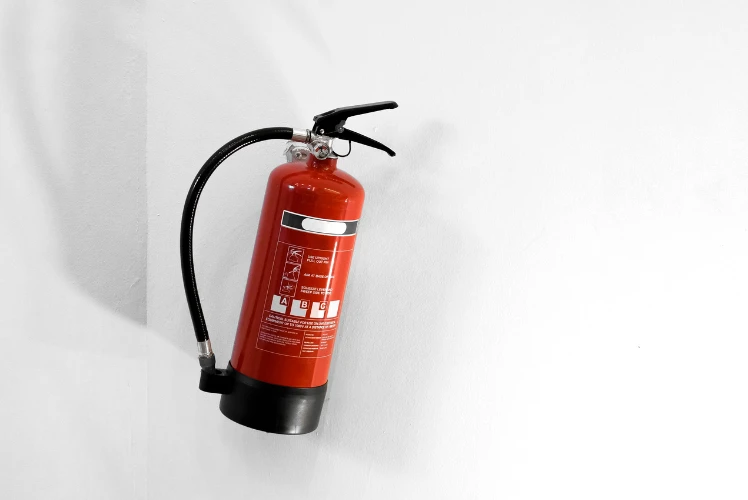
Objectives of fire safety equipment
- Rapidly detect a fire outbreak
- Alert occupants and emergency services
- Limit fire spread
- Enable safe evacuation
- Protect people, property, and the environment
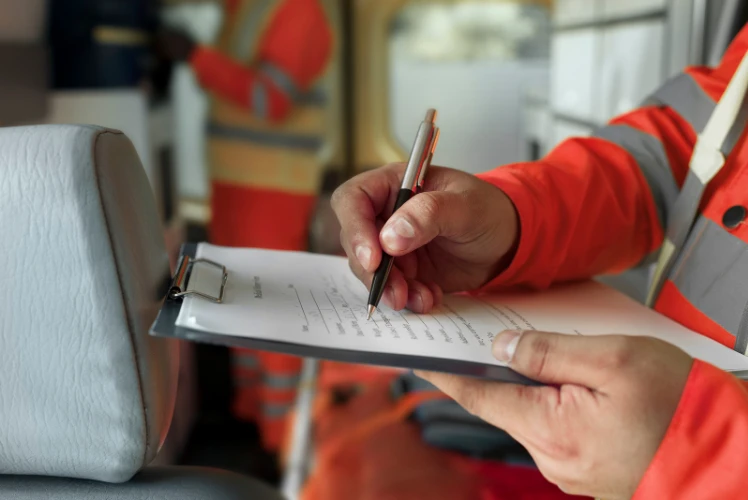
Where fire safety equipment is mandatory
- Public-access buildings (ERP): schools, hospitals, shops, cinemas, etc.
- High-rise buildings (IGH): over 50 meters
- Classified industrial sites (ICPE)
- Professional premises and office buildings
- Residential buildings: e.g., fire extinguishers in car parks and common areas
Our expertise
At ESTYA, we handle the installation, inspection, and maintenance of fire safety equipment to ensure it works effectively when every second counts.